




Description:
First Edition. Number 295 of 500.
Parr & Badger Vol III
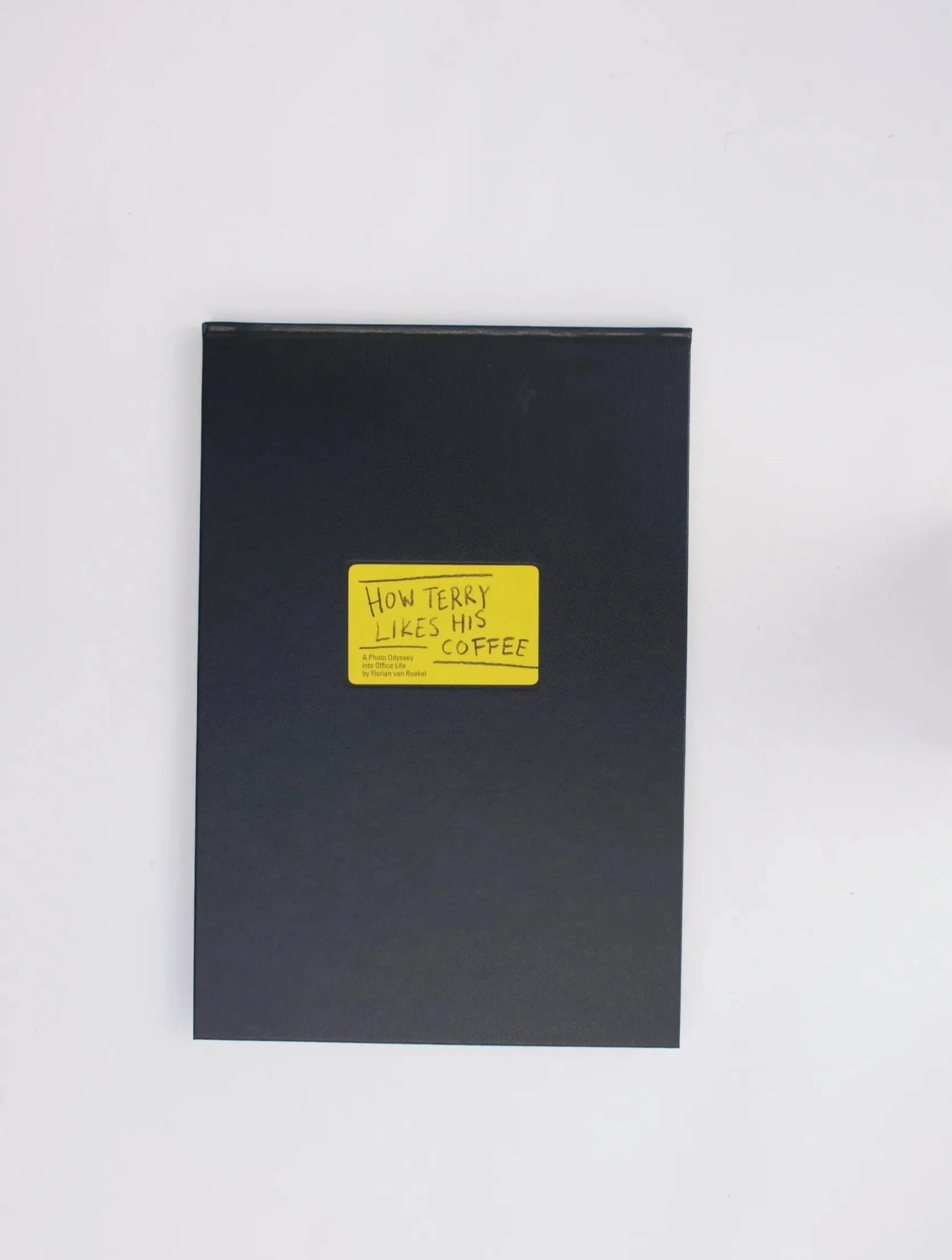
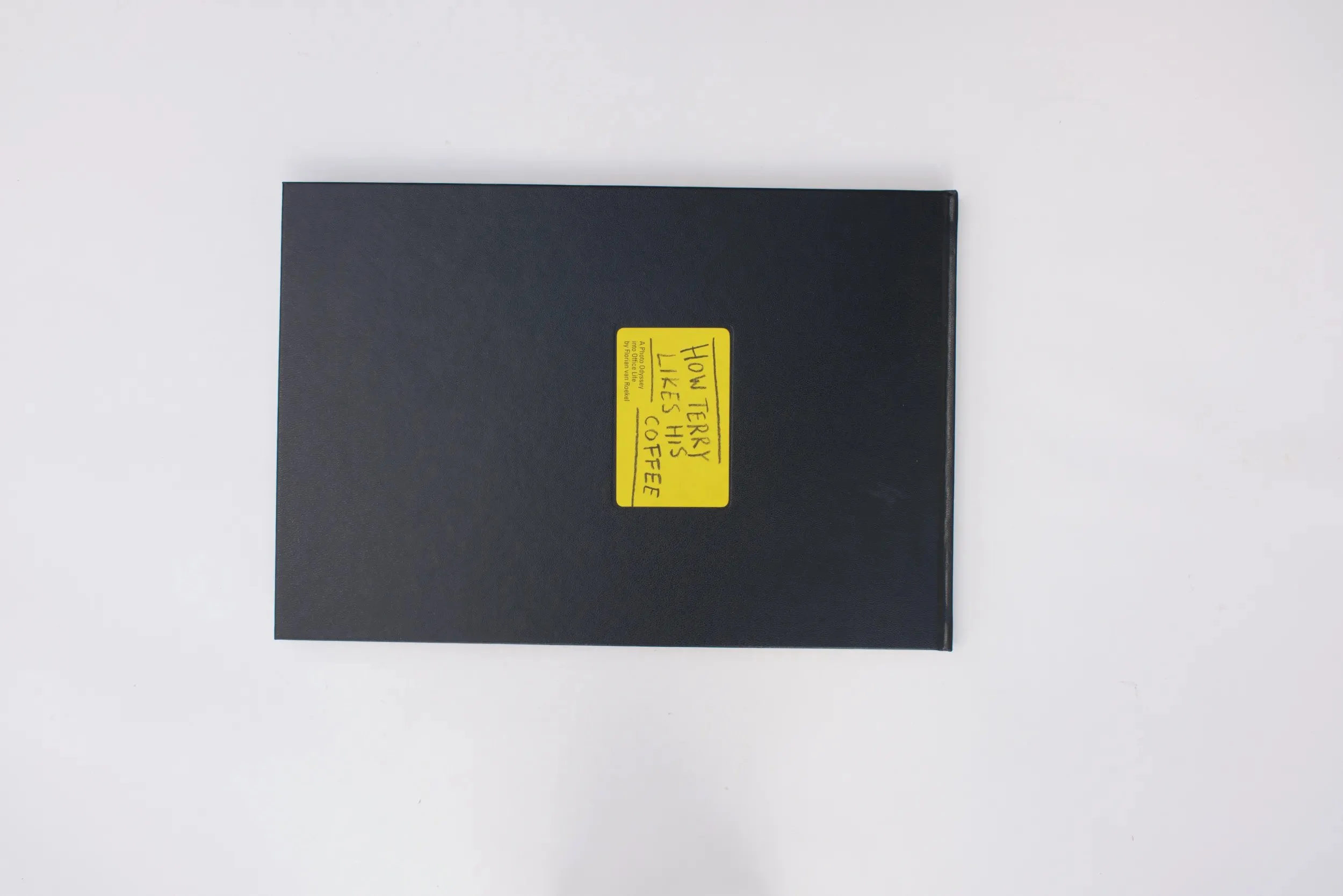
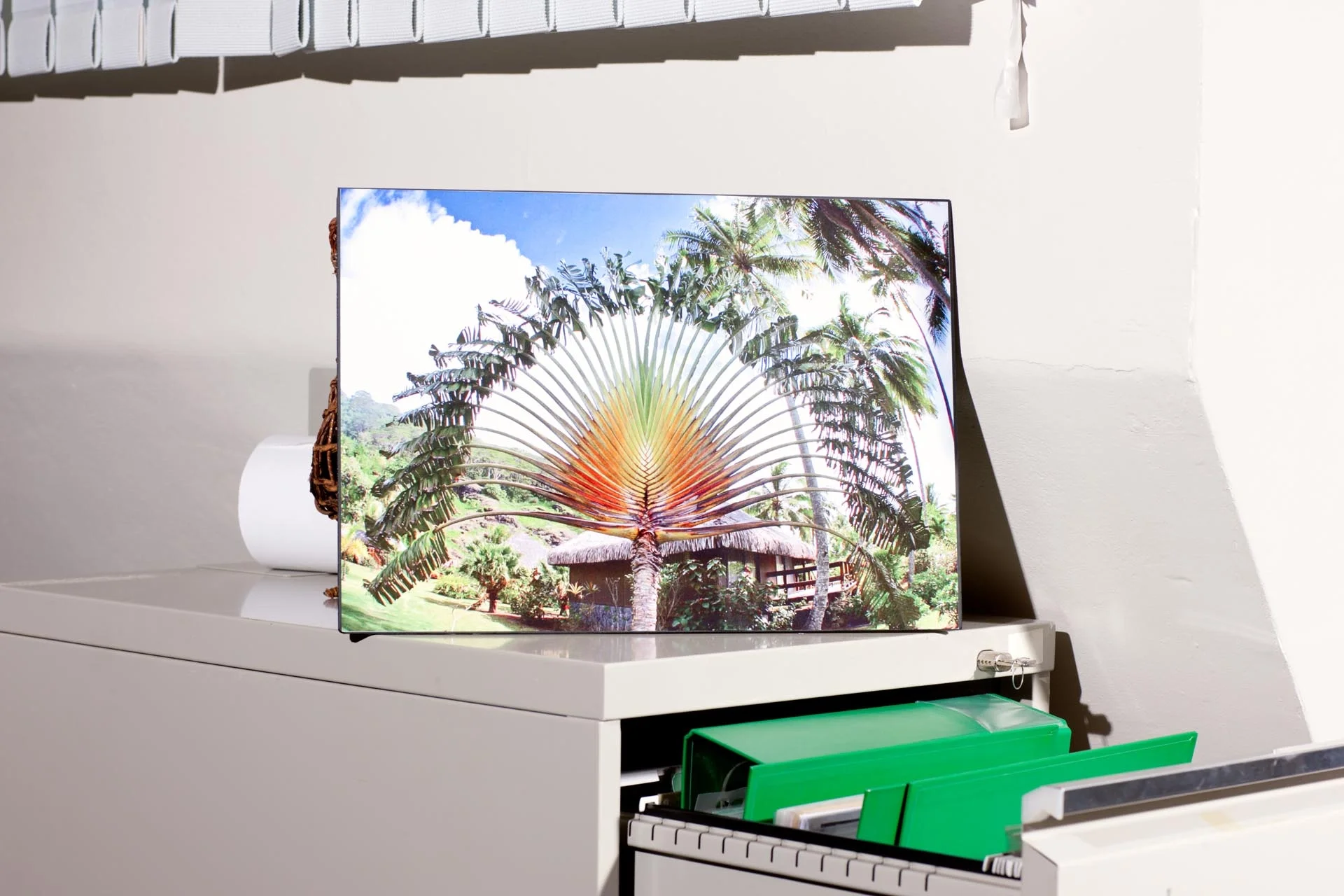
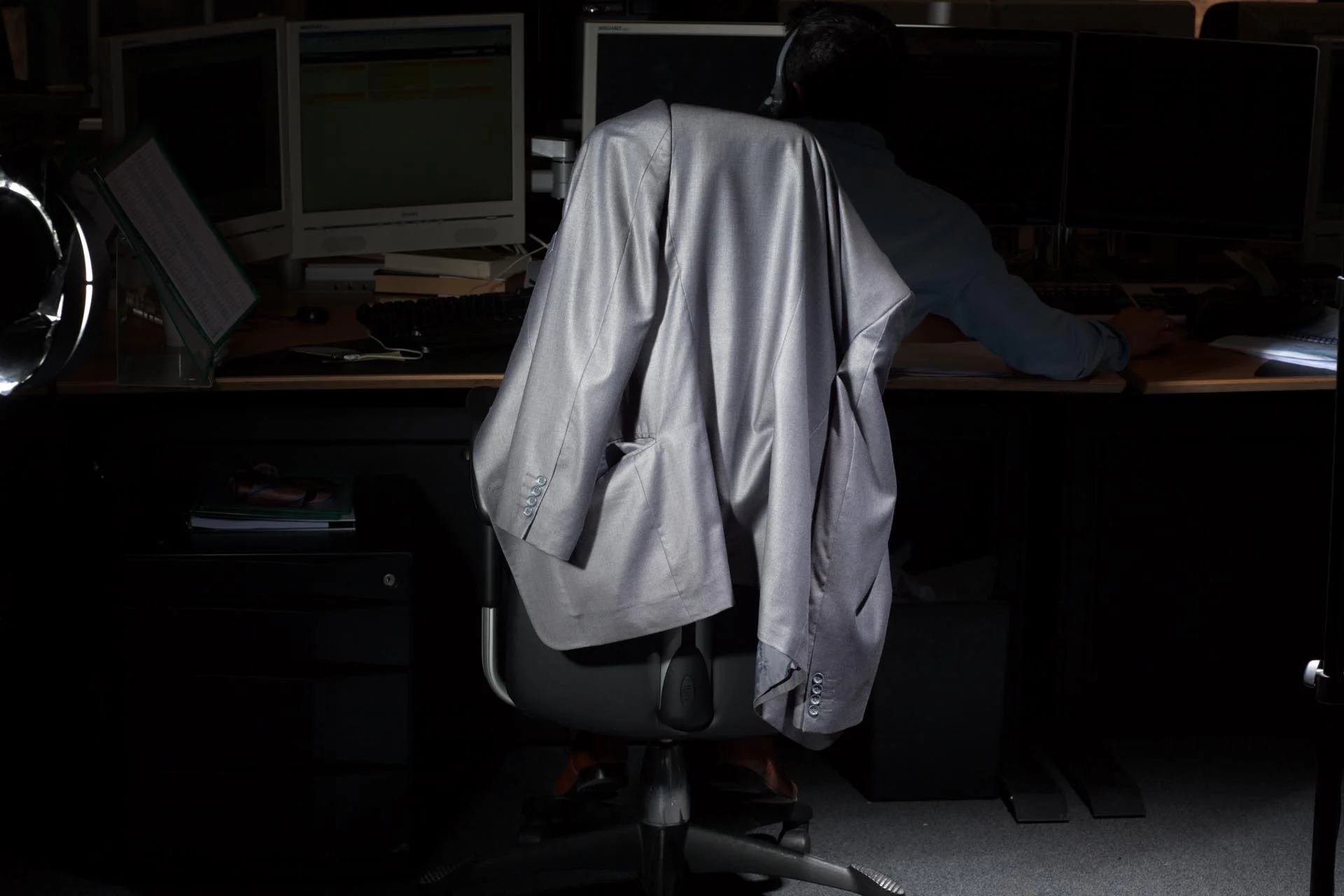
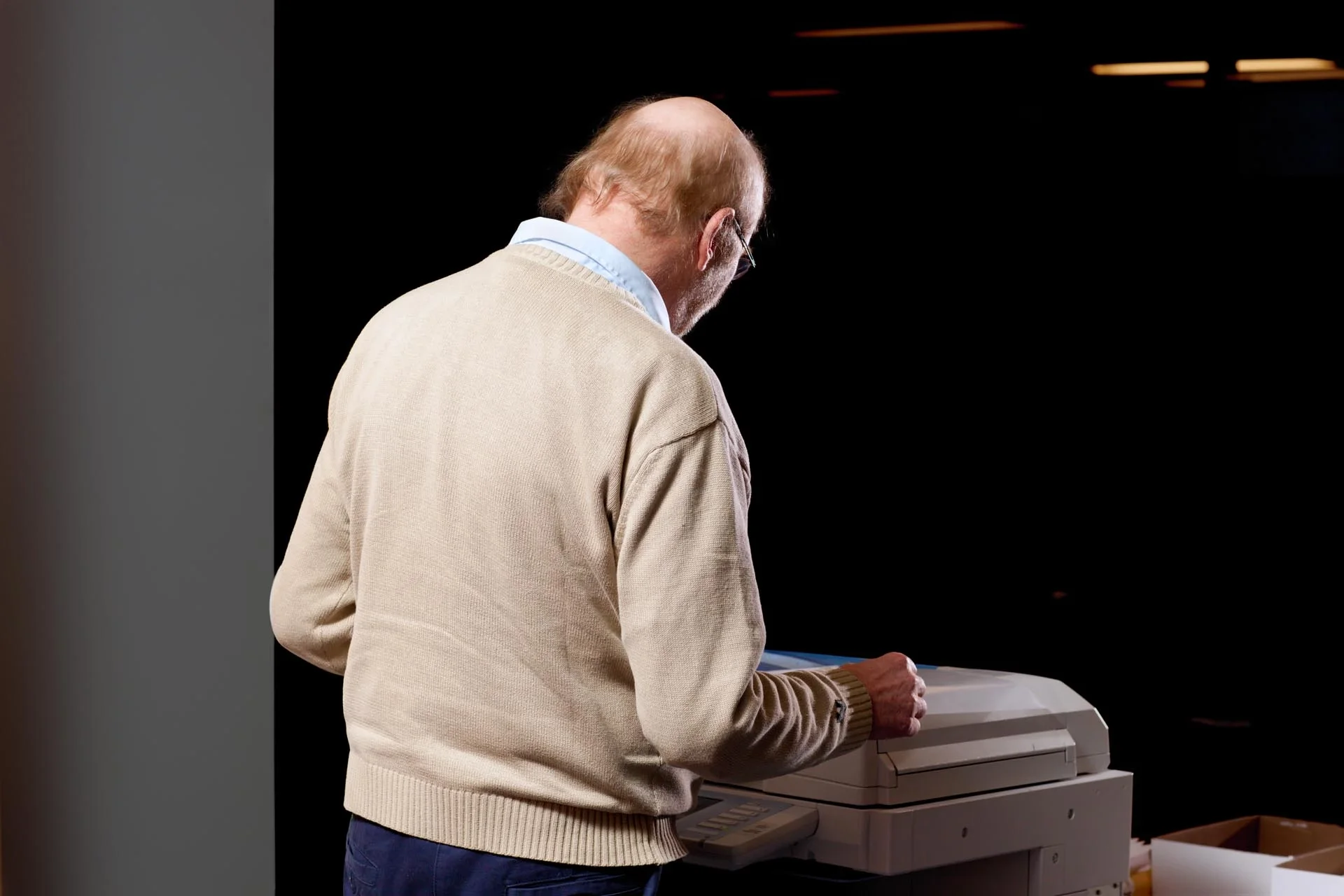
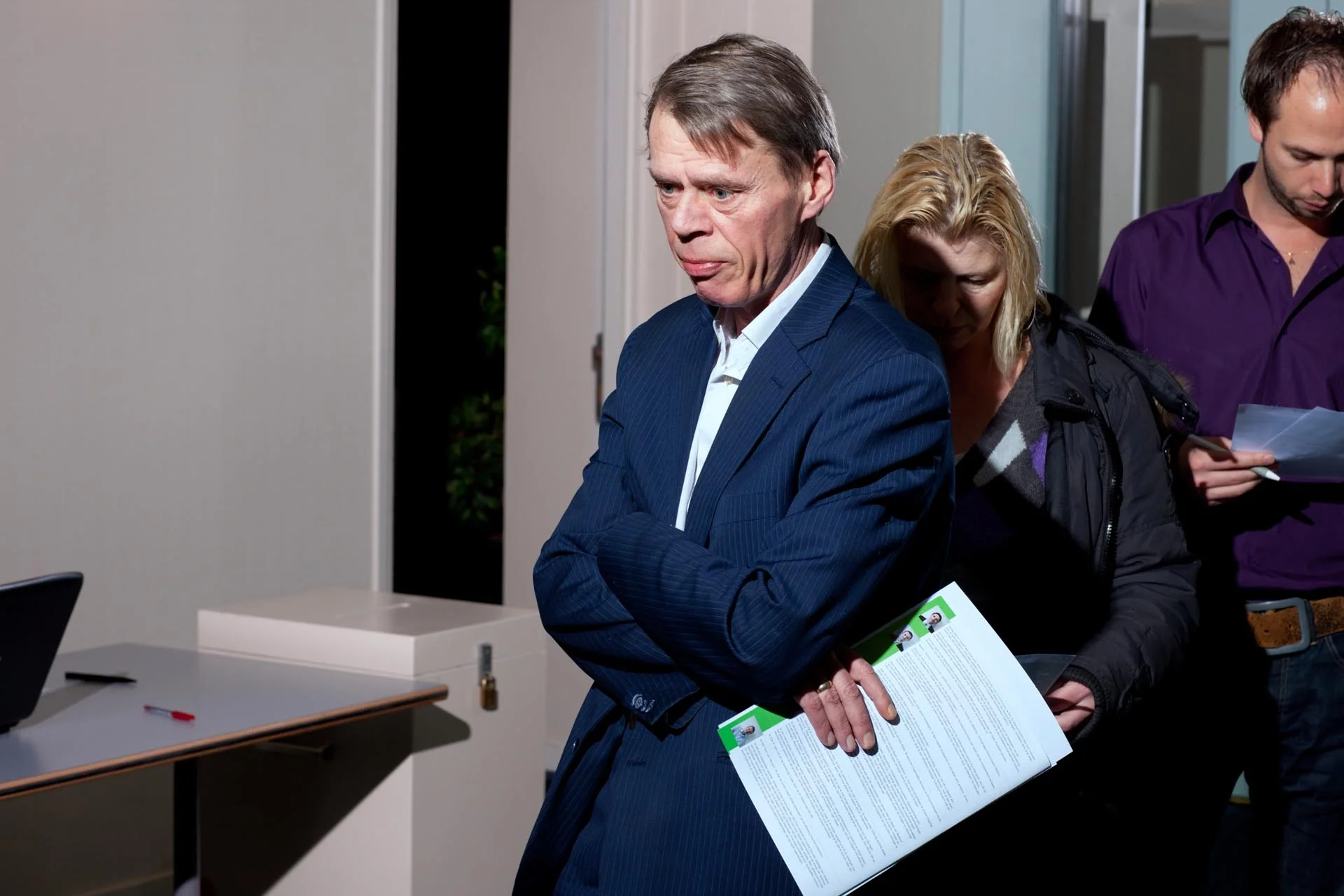
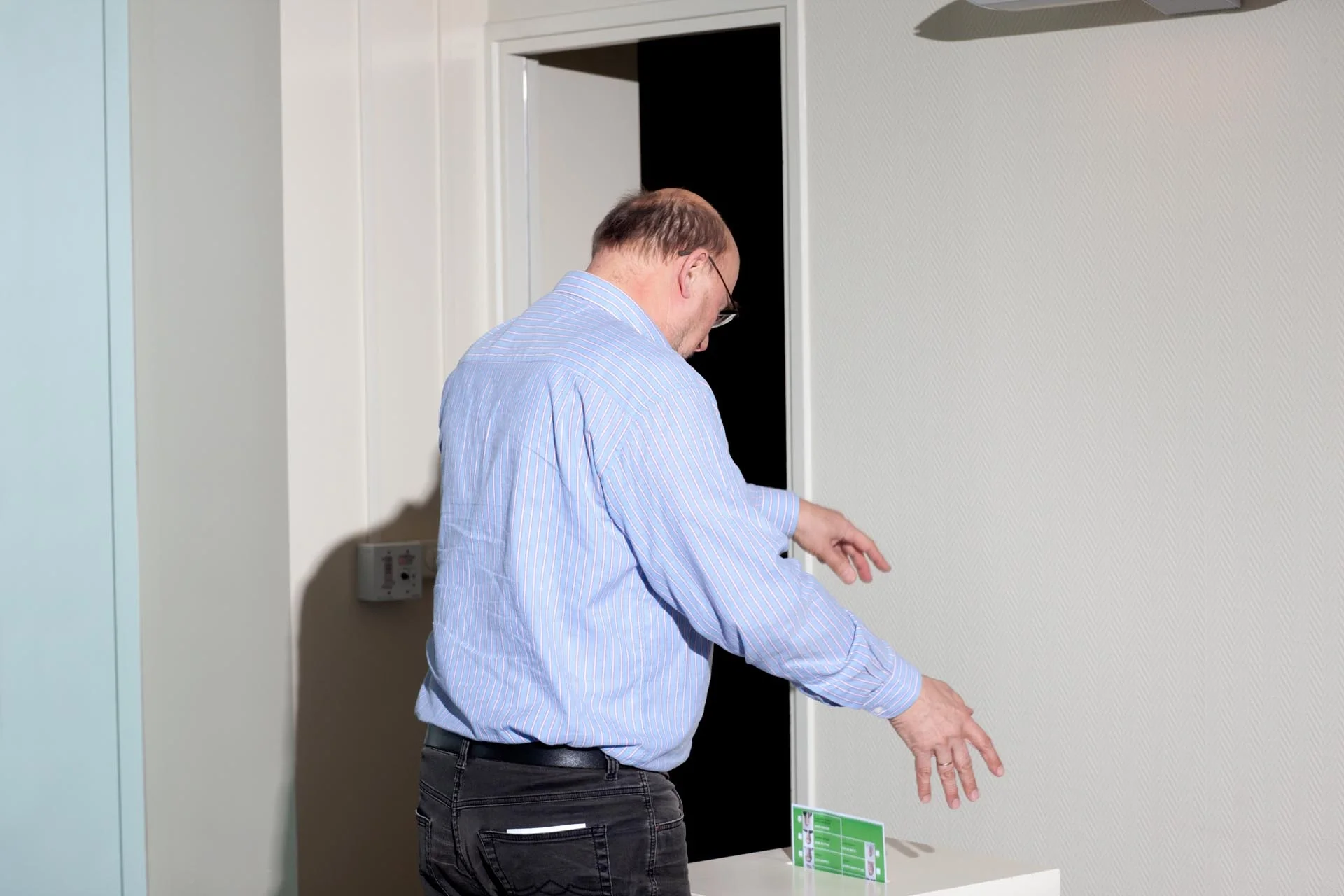
Everyday life at the office. Desks, shelves, machines, files, containers and commodities. A back peeking out from behind a curtain made of an office chair and a sports jacket, a pair of legs scurrying through the picture. A man in a suit takes up a contemplative waiting stance. Someone is scratching his head and looking at his mobile. Meetings, phone calls, concentration and absence. Florian van Roekel’s subject is the omnipresent world of work. He depicts human bodies, gazes and gestures, which arise from the tension between social and functional space. His photographs take a close look at human interaction and hence at behavioural patterns in a social micro-cosmos. This is more than simply the summation of people, more than just emotions and forms of expression. In fact it makes the parameters of the invisible social element visible.
Florian van Roekel immersed himself for a period of fifteen months in the reality of office life in Dutch corporate groups, taking on the role of an ethnologist. His quiet presence became normality surprisingly quickly; the persons portrayed engage with the photographs and forget the presence of the photographer. In this way, an unusual and very direct intimacy develops between the person portrayed and the camera and hence the gaze from the outside. However, the photos are not simply snapshots, capturing a calm moment. Instead, the protagonists look as if they have been frozen in poses – as if they have consciously taken up their respective positions for the camera. At the same time, the photographic series not only tells of the individual’s sense of being isolated from his or her everyday environment but also of the desire for a real, personal connection to another person. Although the office erects barriers, which make real contact impossible and do not allow room for emotions, it seems as if there is still a need to become close.
Publication Date: 2010
Publisher: Self Published
Condition: Very Good
Book Size: 30 × 21 cm
Pages: 80
Format: Hardcover
ISBN: 9789081562812
Description:
First Edition. Number 295 of 500.
Parr & Badger Vol III
Everyday life at the office. Desks, shelves, machines, files, containers and commodities. A back peeking out from behind a curtain made of an office chair and a sports jacket, a pair of legs scurrying through the picture. A man in a suit takes up a contemplative waiting stance. Someone is scratching his head and looking at his mobile. Meetings, phone calls, concentration and absence. Florian van Roekel’s subject is the omnipresent world of work. He depicts human bodies, gazes and gestures, which arise from the tension between social and functional space. His photographs take a close look at human interaction and hence at behavioural patterns in a social micro-cosmos. This is more than simply the summation of people, more than just emotions and forms of expression. In fact it makes the parameters of the invisible social element visible.
Florian van Roekel immersed himself for a period of fifteen months in the reality of office life in Dutch corporate groups, taking on the role of an ethnologist. His quiet presence became normality surprisingly quickly; the persons portrayed engage with the photographs and forget the presence of the photographer. In this way, an unusual and very direct intimacy develops between the person portrayed and the camera and hence the gaze from the outside. However, the photos are not simply snapshots, capturing a calm moment. Instead, the protagonists look as if they have been frozen in poses – as if they have consciously taken up their respective positions for the camera. At the same time, the photographic series not only tells of the individual’s sense of being isolated from his or her everyday environment but also of the desire for a real, personal connection to another person. Although the office erects barriers, which make real contact impossible and do not allow room for emotions, it seems as if there is still a need to become close.
Publication Date: 2010
Publisher: Self Published
Condition: Very Good
Book Size: 30 × 21 cm
Pages: 80
Format: Hardcover
ISBN: 9789081562812